The beginning
The Founding Families & The Sudhidhanakul Legacy
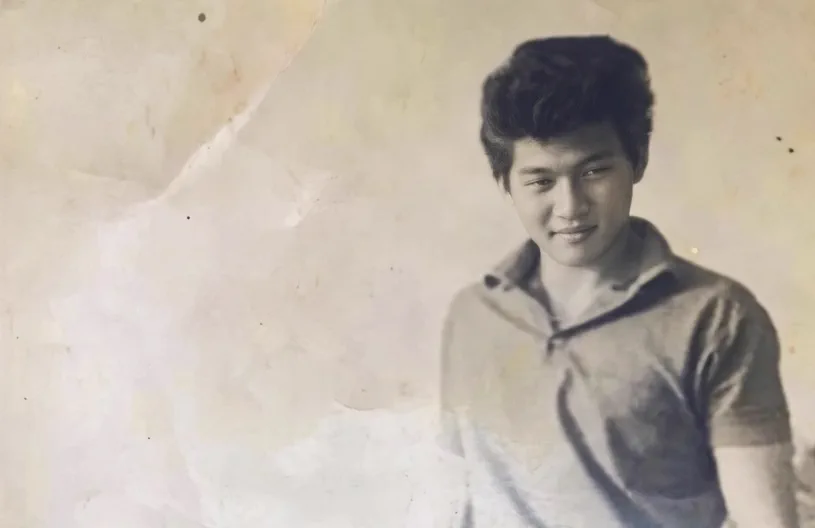
The story of Koh Mak began in the late 19th century during the reign of King Rama V. Initially settled by a Chinese Affairs Officer named Chao Sua Seng, the island's lands were sold to Luang Prompakdii (Plian Taveteekul), a royal official from modern-day Koh Kong.
- Family Stewardship: Around 1910, amidst French colonial expansion, Luang Prompakdii and his wife, Khun Mae Mulee, permanently made Koh Mak their family home.
- Continuous Ownership: Over the decades, descendants of the founding lineage—most notably the Sudhidhanakul and Taveteekul families—retained ownership of over 80% of the island.
- Preserved Character: Because the land remained within the family rather than being sold off to high-density developers, Koh Mak retains the authentic, close-knit feel of a traditional Thai coastal community.
Agriculture
Agriculture: Coconuts, Betel Nuts & Rubber
Long before tourists stepped foot on its shores, Koh Mak was a thriving agricultural hub.
- The Coconut Era: Early settlers established extensive coconut plantations that supplied timber and agricultural produce to trade routes bound for Bangkok.
- Expanding Inland: In the early 1900s, Luang Prompakdii's children expanded into Para rubber tree cultivation alongside betel nut palms (Mak means betel nut in Thai, giving the island its name).
- Maritime Roots: For generations, fishing and plantation harvesting formed the beating heart of local life, shielding the island from rapid commercialization.
Eco-tourism
The Birth of Eco-Conscious Tourism
Tourism came to Koh Mak gently, driven directly by the family's vision for sustainable growth.
- First Resorts (1974–1980s): The very first bungalow accommodations opened at Ban Ao Nid in 1974. By the late 1980s, small family-run resort complexes began welcoming guests along Ao Kao and Ao Suan Yai beaches.
- A Low-Carbon Vision: Instead of building massive high-rises or noisy entertainment venues, Koh Mak's landowners made a conscious choice to limit high-impact activities.
- Community-Led Living: Today, Koh Mak is celebrated across Thailand as a pioneer in low-carbon, sustainable tourism, prioritizing electric mobility, cycling, coral conservation, and peaceful beachside living.
Heritage
Step Inside History: The Koh Mak Museum
To experience the island's heritage firsthand, a visit to the Koh Mak Museum is a must.
- The Setting: Located near Ao Nid Pier, the museum is housed inside a preserved 80-year-old traditional wooden home overlooking the sea.
- The Collection: Maintained directly by descendants of the Sudhidhanakul and Taveteekul families, the museum displays vintage photographs, antique tools from early rubber and coconut harvests, historical documents, and heirloom furniture.
- The Experience: It offers visitors an intimate glance at how a remote agricultural outpost transformed into one of Thailand's most peaceful eco-islands.