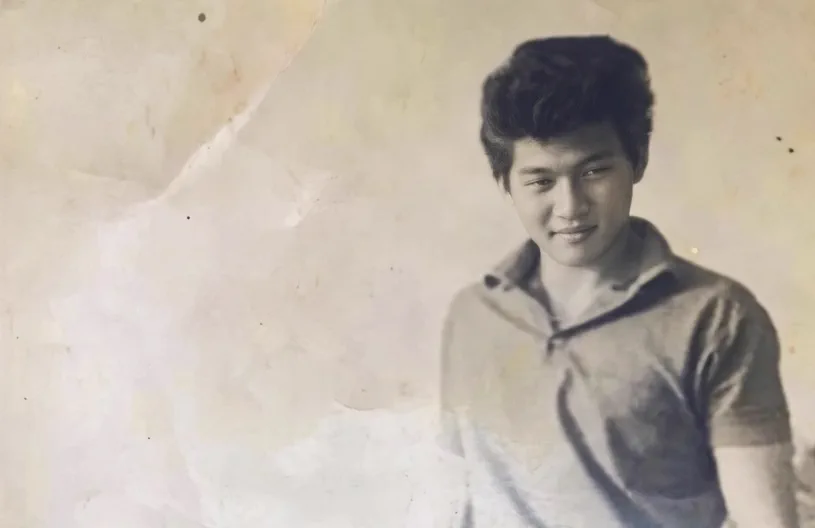
"My great-grandfather settled on this island about 125 years ago. My grandfather planted coconut trees. My father founded the first vacation destination on Koh Mak in 1974. Koh Mak has changed slowly since then. But it is still my family's responsibility to let Koh Mak grow as slowly and as sustainably as possible. How can we protect our home from overtourism? Unfortunately, the most sustainable approach is "no tourism", but this is alien to life. So let's compromise ;-).
The island we remember
When I was young, Koh Mak had no commercial boats, no roads, no cars (only a few jeeps), electricity from a small generator, almost nothing, and no need for them. If you wanted ice, you waited for the boat from Laem Ngop. If you wanted news, you sat at the pier. The boat I took left from Koh Mak full of coconuts, and returned when all had been sold on the mainland (14-day circle). Electricity came in the evening, and when it went off, the stars reminded everyone why they stayed. Koh Mak is still famous for not having much :-).
Families here did not think of themselves as resort owners or "business professionals". They were gardeners, fishermen, boat builders, and teachers. The sea was the pantry, the coconut grove and rubber plantation were the calendar, and the monsoon was the annual holiday that forced everyone to rest.
What has changed, and what has not
Today there are more resorts, more menus, and more ways to reach us. That is good for income, and that extra income matters for most locals. But the things that make Koh Mak worth visiting are still the old things: the quiet beaches, the clean water, the fact that you can walk through a village and someone will offer you help before they ask your name. Koh Mak is developing in slow motion.
The biggest change is not the buildings. It is the hurry of the "island hoppers". It is a cute expression, but not helpful for the island's sustainability. Visitors arrive with a list of things to do. Sometimes I want to tell them: "chill & relax or be active with sports. Find your balance. The island will do the rest." What I believe how to keep the growth as slow as possible are four priorities: 1. Long stays 2. Returning Guests and friends 3. Solo Traveler 4. Supporting those who travel with a purpose, for example health, sports or work.
How to be a good guest
- Take your rubbish back with you (batteries, packings, plastic etc.)
- Reef-safe sunscreen costs a little more. The coral and pools thanks you.
- A smile and a slow pace open more doors than a loud voice ever will.
- Support the family-run places. They are the ones who will still be here when the trends change. Take off your shoes when entering houses. Do not go topless into shops and restaurants. Koh Mak is also somebody's home.
- Ask before you photograph people. Dignity is not a tourist attraction. Stay minimum 5 days and don't just come for collection islands and likes.
Growing as slow as possible
It means visitors come not to consume a place, but to share a moment with it. Where our family and this island came from is told in the Koh Mak history story.
If you leave Koh Mak a little quieter, a little more balanced, and a little fitter, Koh Mak was the right choice. What to expect in the near future ?